Sar Pass Trek
Sar Pass Trek
₹7300
Sar Pass Trek - Highlights
- Popular Himalayan trek in Parvati Valley with scenic trail sections.
- Beautiful route through Kasol, Grahan Village, Min Thach, Nagaru, Sar Pass, Biskeri Thach, and Barshaini.
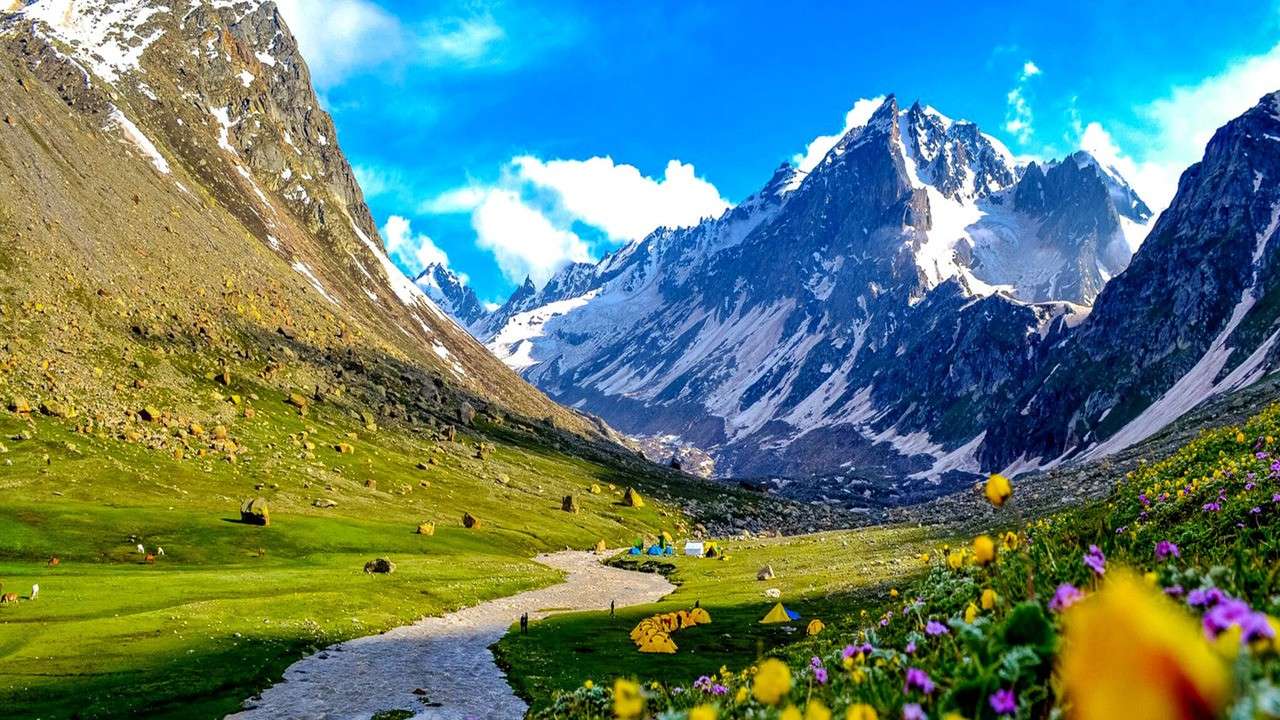
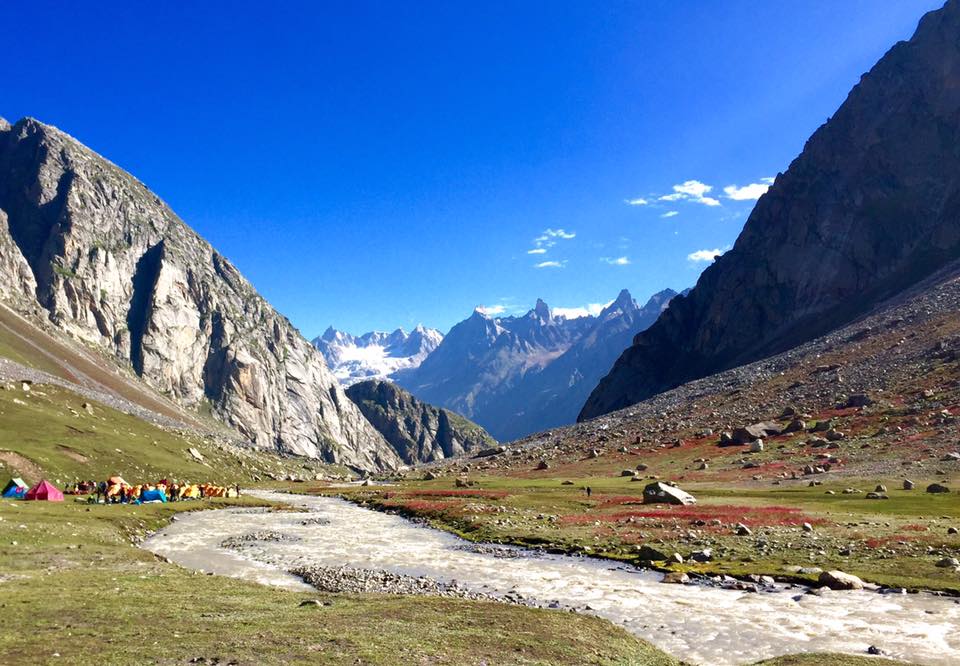
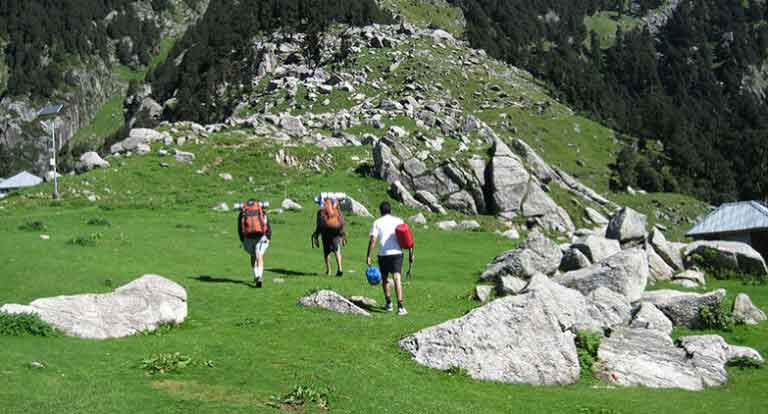
- Experience forest trails, village paths, meadows, snow sections, and high-altitude campsites.
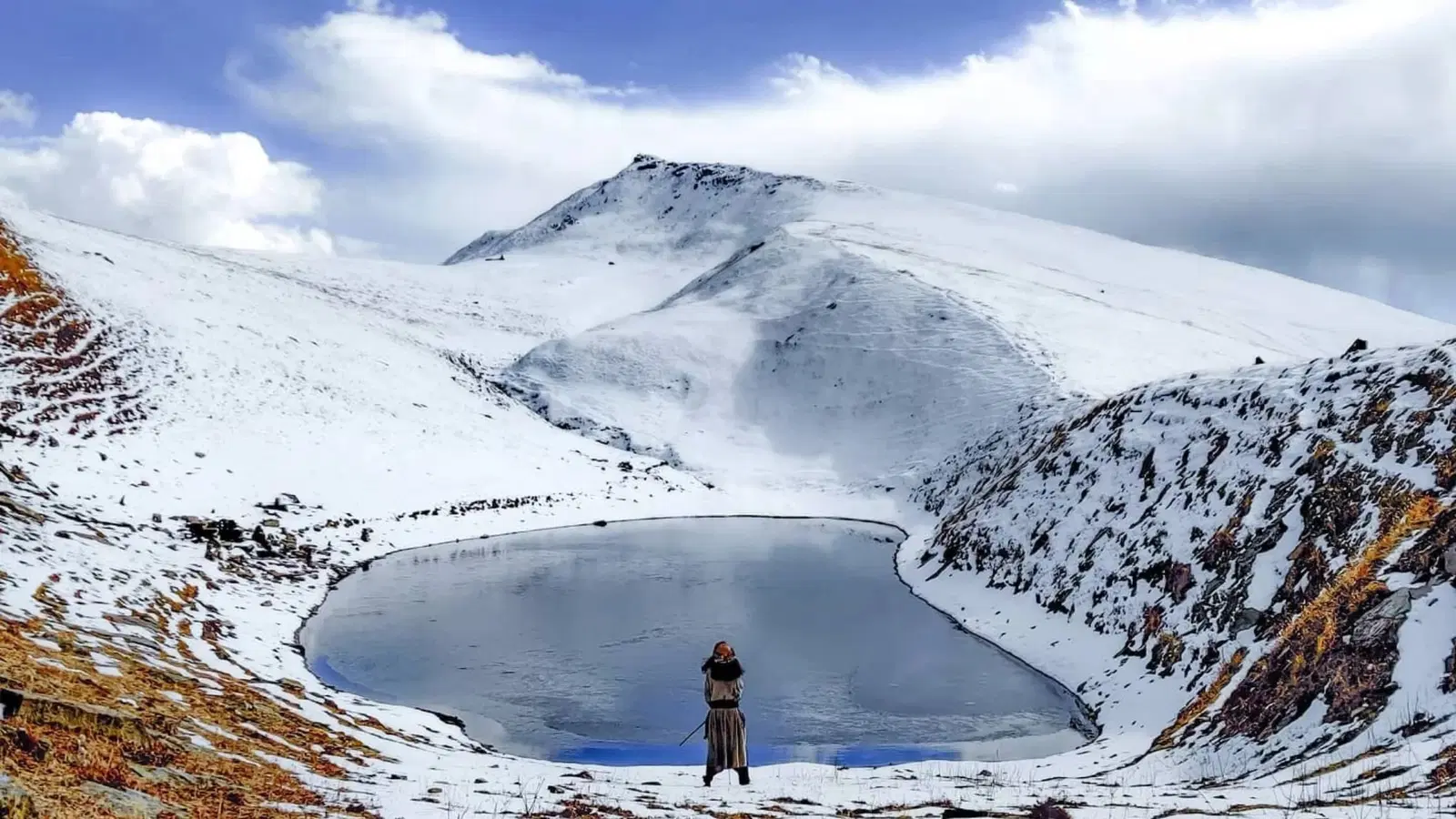
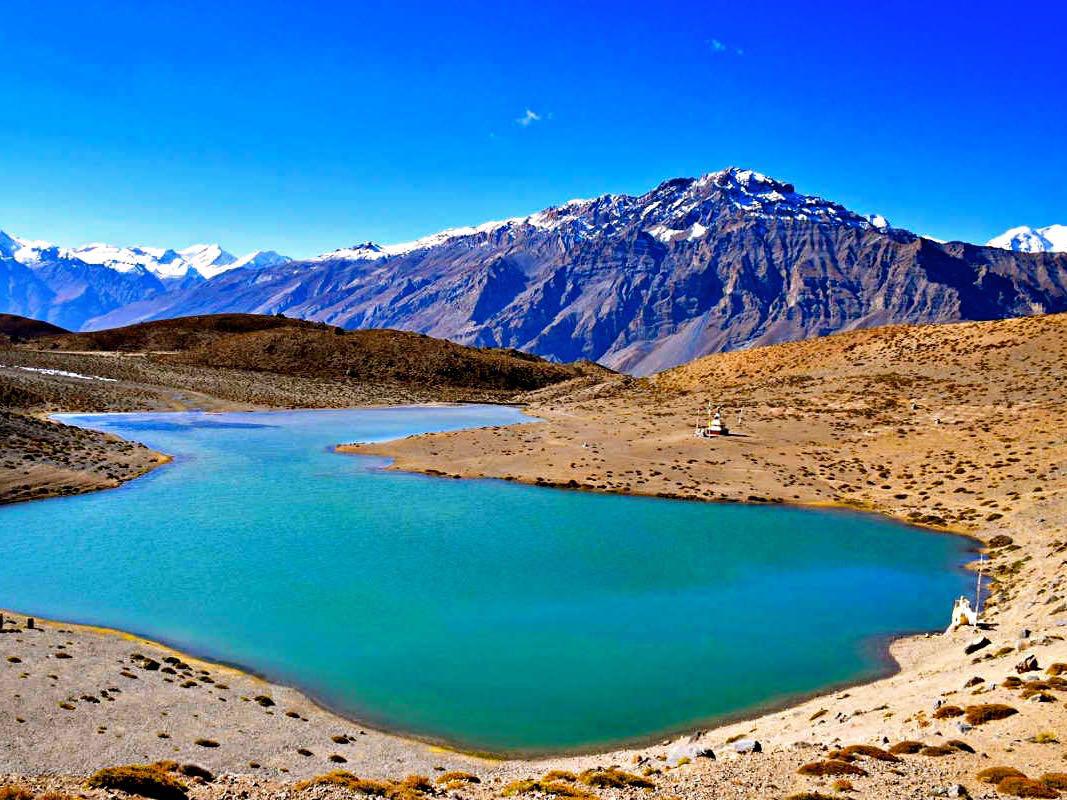
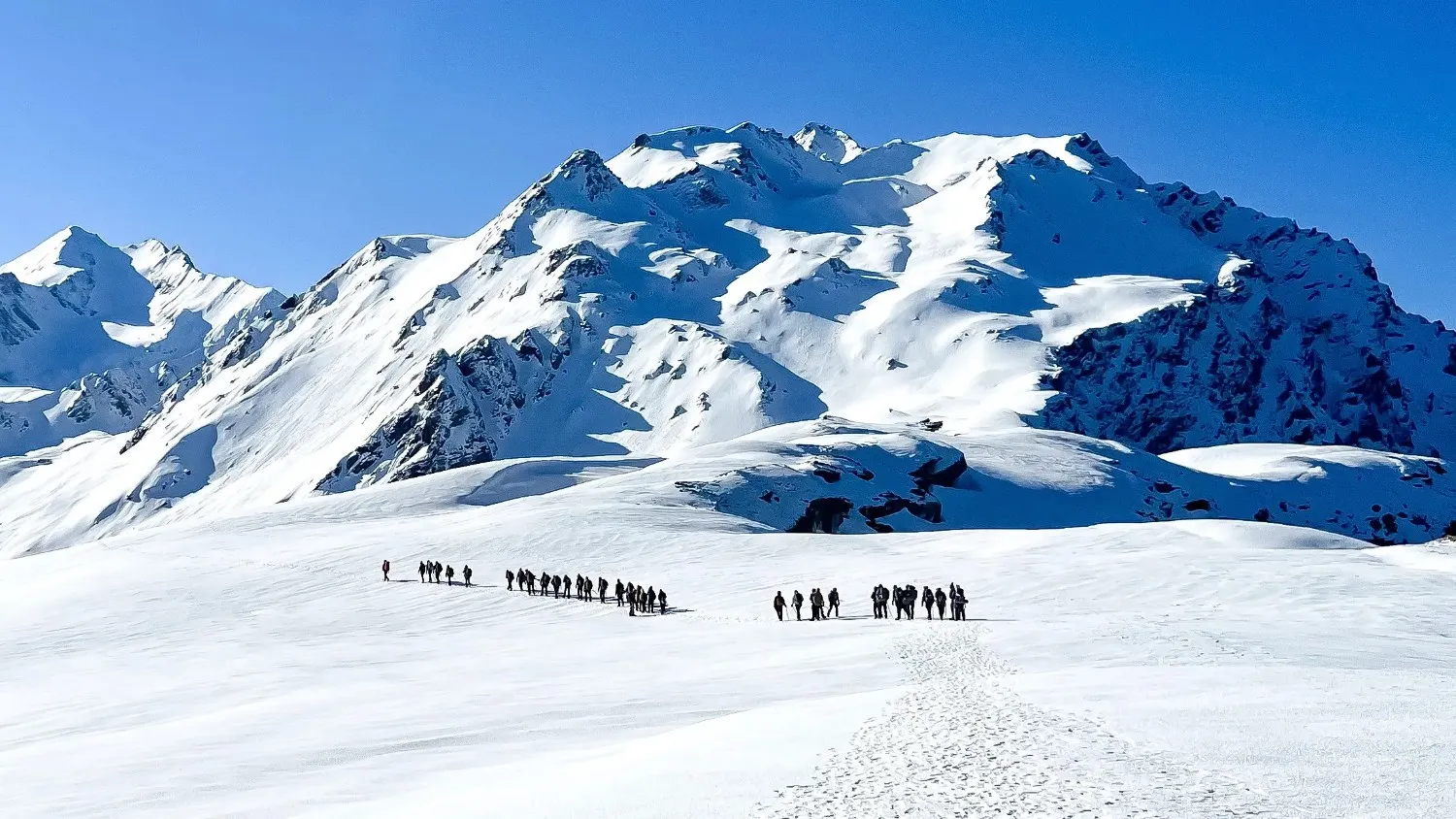
- Sar Pass crossing experience with panoramic views, subject to weather and safety conditions.
- Good option for students, groups, adventure lovers, and physically fit beginners.
- Camping experience at Grahan, Min Thach, Nagaru, and Biskeri Thach.
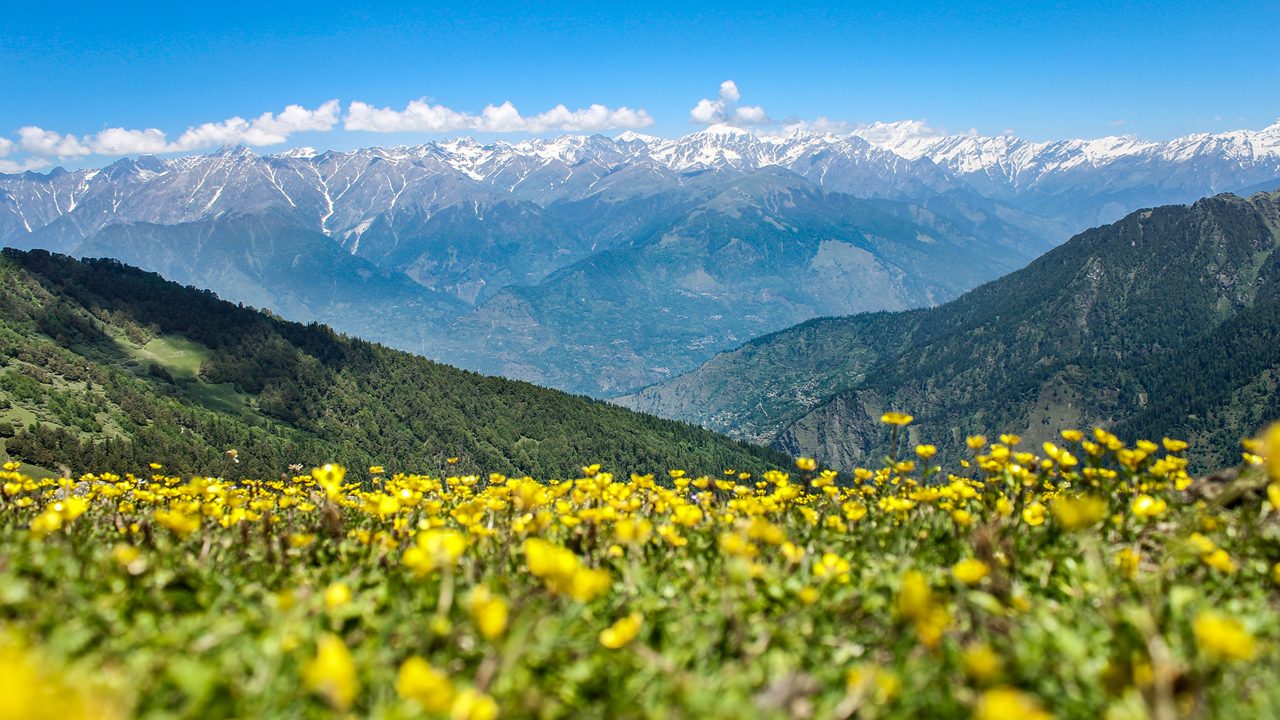
- Perfect combination of trekking, camping, snow, photography, and mountain views.
About - Sar Pass Trek
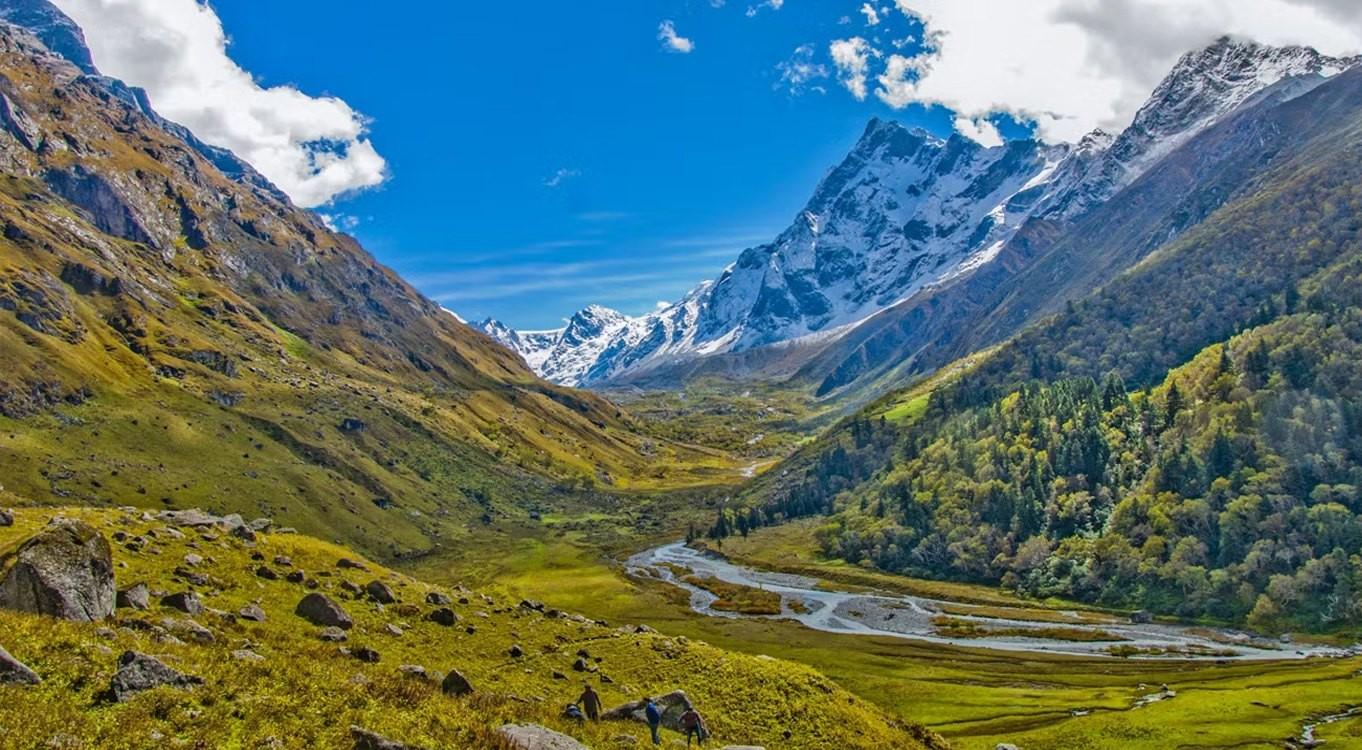
Sar Pass Trek is one of the most popular trekking experiences in the Parvati Valley of Himachal Pradesh. The trek is known for its forest trails, village route, high-altitude campsites, snow sections, mountain views, and exciting pass-crossing experience.
The trek starts from Kasol and passes through Grahan Village, Min Thach, Nagaru Camp, Sar Pass, Biskeri Thach, and Barshaini. It offers a complete Himalayan trekking experience with forests, meadows, ridges, snow patches, scenic campsites, and beautiful Parvati Valley surroundings.
This trek is suitable for beginners with good fitness, students, groups, and adventure travellers who want to experience a classic Himalayan trek in the Kullu-Parvati region.
Overview
- Trek Name: Sar Pass Trek
- Duration: 4 Nights / 5 Days
- Starting Point: Kasol
- Trek Start Point: Kasol
- Season: May to June / September to October, subject to weather, snow, and trail conditions
- Ending Point: Barshaini / Kasol, depending on the selected package
- Maximum Altitude: Approx. 13,800 ft
- Trek Grade: Moderate
- Trek Type: High-Altitude Camping Trek
- Suitable For: Beginners with good fitness
- Main Campsites: Grahan Camp, Min Thach Camp, Nagaru Camp, Biskeri Thach Camp
- Best Experience: Grahan Village, snow sections, Sar Pass crossing, Biskeri Thach, Parvati Valley views, camping, and photography
Things to Carry
Basic Gear
- Backpack with rain cover.
- Small day bag.
- Trekking shoes with strong grip.
- Walking stick / trekking pole.
- Water bottle.
- Personal lunch box / tiffin.
- Head torch or flashlight.
- Power bank.
- Sunglasses.
- Sunscreen.
- Lip balm.
- Personal medicines.
- Small towel.
Clothing
- Quick-dry t-shirts.
- Warm fleece or sweater.
- Down jacket / warm jacket.
- Trek pants.
- Thermals, especially for colder months and high camps.
- Raincoat / poncho.
- Extra socks.
- Gloves.
- Woollen cap.
- Sun cap.
Footwear
- Good quality trekking shoes with grip.
- Extra pair of socks.
- Slippers / sandals for campsite use.
Personal Utilities
- Toothbrush and toothpaste.
- Tissue paper / wet wipes.
- Hand sanitizer.
- Personal toiletries.
- Small garbage bag for personal waste.
- ID proof.
- Camera / phone.
- Extra batteries, if required.
Snacks
- Energy bars.
- Dry fruits.
- Chocolates.
- ORS / Electral.
- Glucose.
- Light personal snacks for long trekking days.
How To Reach
- Arrival Point
- Guests need to reach Kasol as per the reporting time mentioned in the package. The trek starts from Kasol, and guests will meet the trek leader / local support team at the reporting point.
- By Volvo / Bus
- Guests can take an overnight Volvo / bus from Delhi or Chandigarh towards Bhuntar / Manali.
- From Bhuntar, guests can travel towards Kasol by local bus or taxi.
- Final reporting time and meeting point at Kasol will be shared before the trek.
- By Flight
- Nearest airport is Bhuntar Airport, Kullu.
- From Bhuntar, guests can travel by taxi or bus towards Kasol.
- Flight delays and cancellations are common in mountain regions, so guests should keep buffer time.
- By Train
- Nearest major railway options are Chandigarh / Kalka / Pathankot.
- From there, guests can take a bus or taxi towards Bhuntar / Kasol.
What's Inclusion
- Trek leader / local support team during the trek.
- Accommodation / camping stay during the trek as per itinerary.
- Camping stay at Grahan, Min Thach, Nagaru, and Biskeri Thach.
- Meals as per package plan.
- Basic first-aid support.
- Trek briefing and safety instructions.
- Vehicle transfer from Barshaini to Kasol, if included in the selected package.
- Closing session, if included in the package.
- Reviews and feedback session.
- Basic trekking and camping arrangements.
- Volvo / bus / flight / train fare to reach Kasol / Bhuntar / Manali.
- Taxi / local transport to reach Kasol, unless specifically included.
- Personal expenses.
- Any meals during road travel, unless mentioned in the package.
- Personal trekking gear such as shoes, jacket, gloves, trekking pole, etc.
- Porter / mule charges for personal luggage, if not included.
- Any cost due to weather, road blockage, medical emergency, natural calamity, route change, snow condition, permission issue, pass crossing cancellation, or road closure.
- Emergency evacuation, rescue, medical expenses, or extra stay due to delay.
- Adventure insurance, unless specifically included.
- Anything not mentioned in the inclusions.
- Trek Essentials – Complete
Itinerary
- Reach Kasol and meet the trek leader / local support team.
- Basic trek briefing, route explanation, safety guidelines, and document verification will be done.
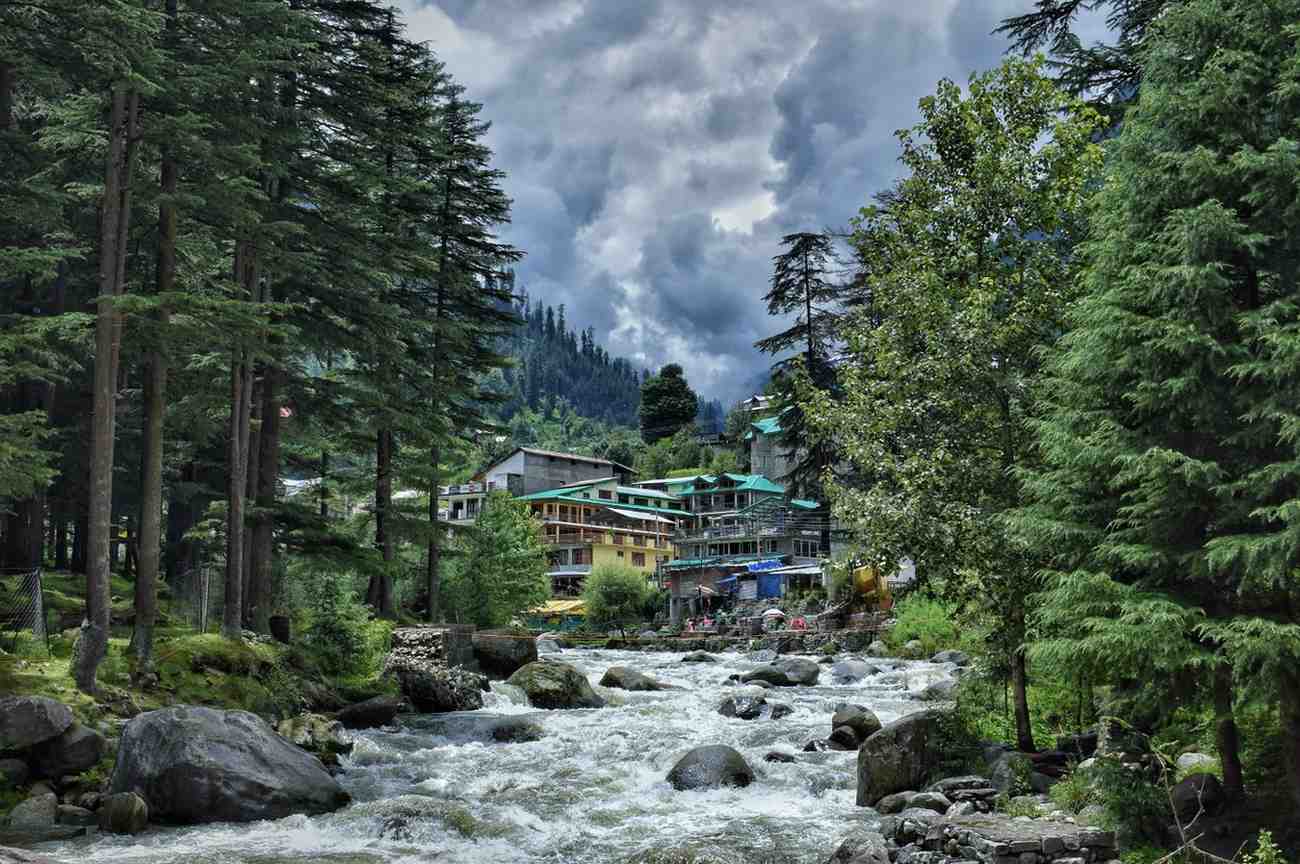
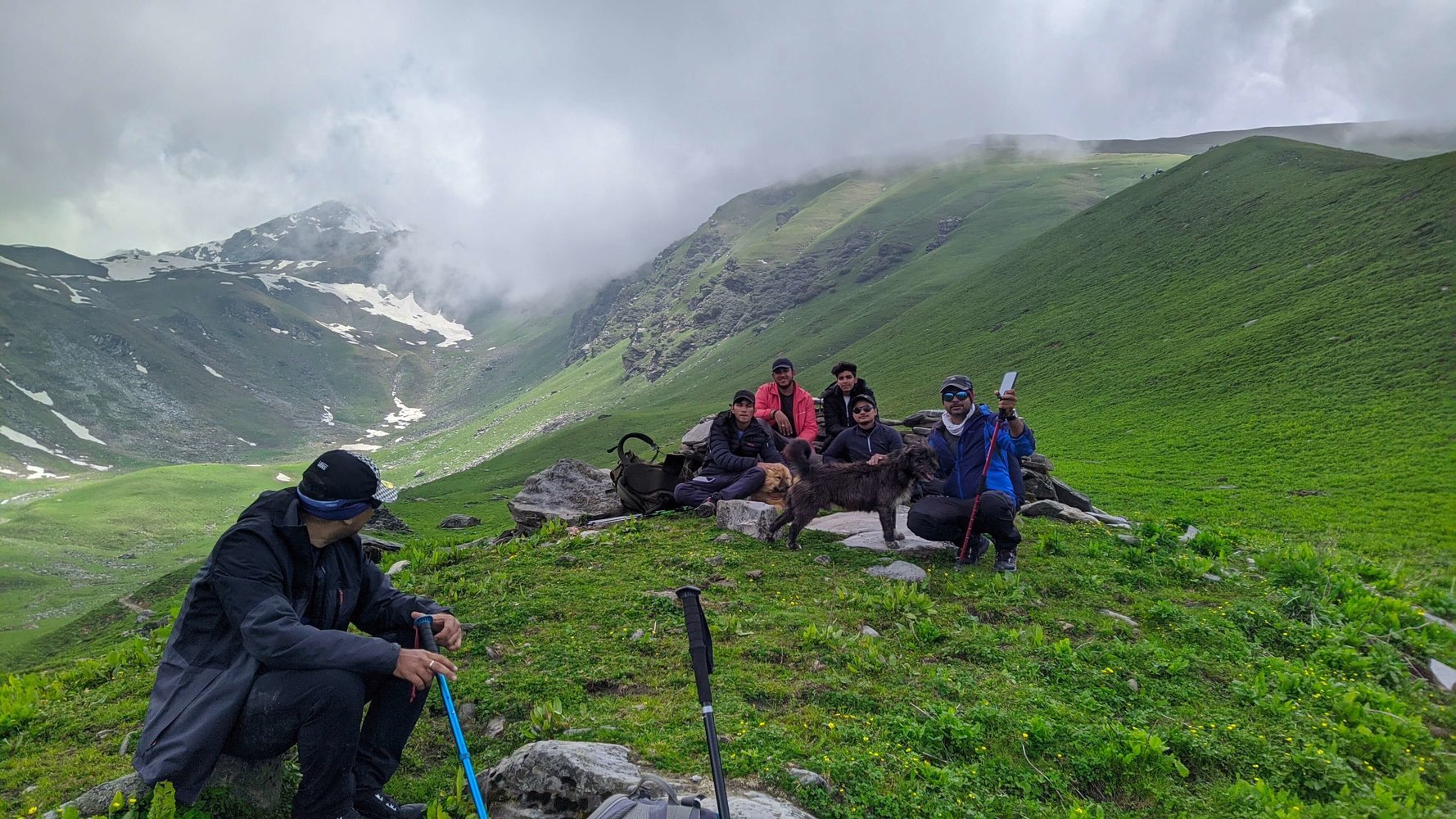
- Start trekking from Kasol towards Grahan Village through forest trails and village paths.
- Walk along the Parvati Valley side with short rest breaks during the trek.
- Reach Grahan Village by afternoon / evening and check in at the campsite.
- Dinner and overnight stay at Grahan Camp.
- Wake up early and have breakfast at the campsite.
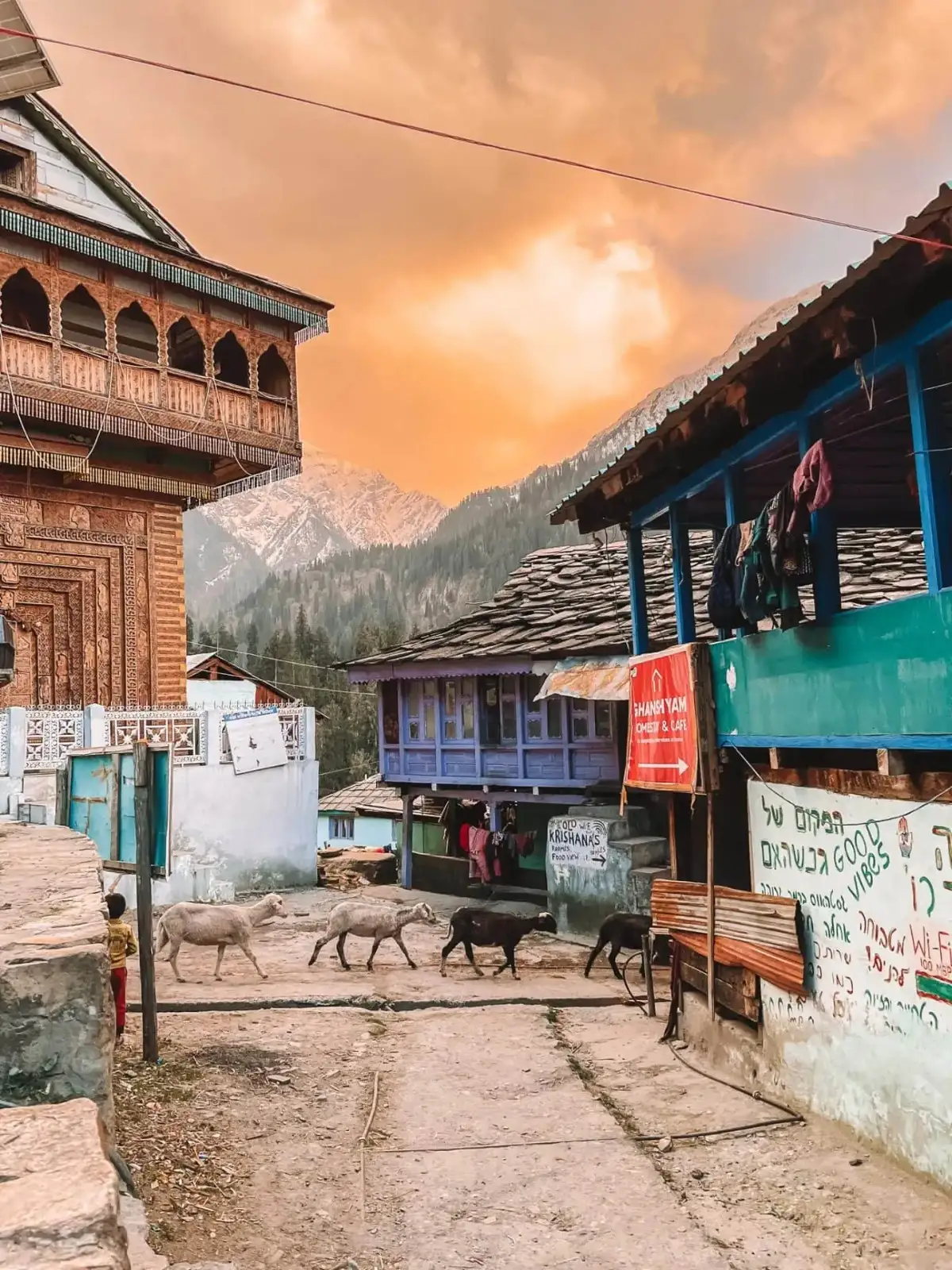
- Start trekking from Grahan Village towards Min Thach.
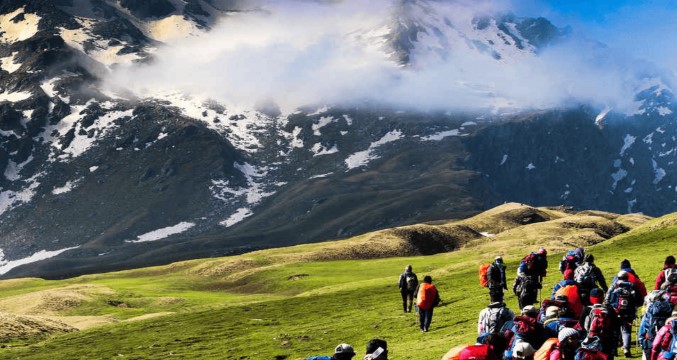
- The trail passes through dense forest sections, open meadows, and scenic mountain surroundings.
- Take short rest breaks during the gradual altitude gain.
- Reach Min Thach Camp by afternoon / evening and relax.
- Dinner and overnight stay at Min Thach Camp.
Trek Distance: Approx. 6–7 km
Trek Time: Approx. 5–6 hours
Route: Grahan Village → Min Thach
Trek Type: Forest trail, meadow walk, and gradual climb
Overnight Stay: Min Thach Camp
- Wake up and have breakfast at Min Thach Camp.
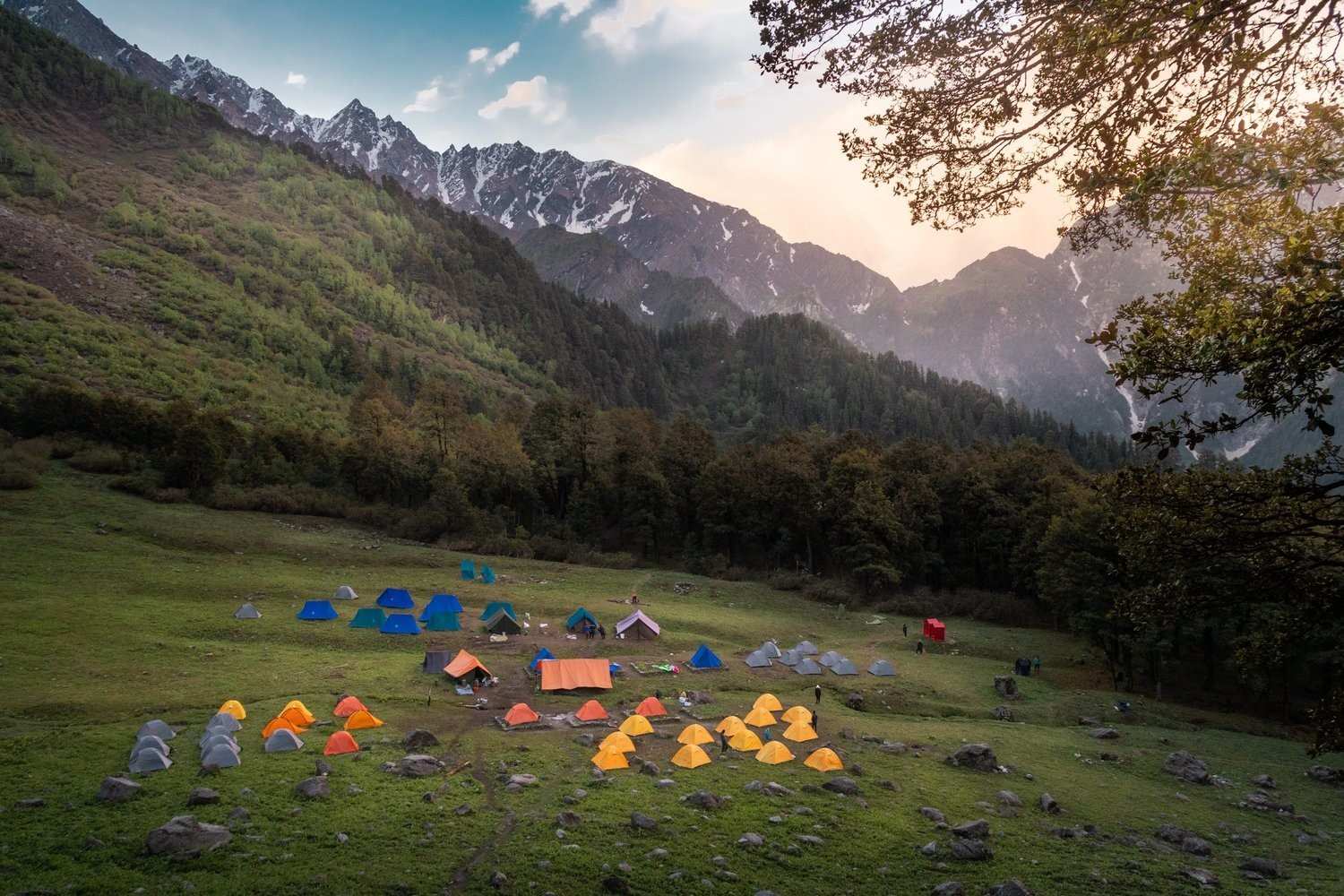
- Start trekking towards Nagaru Camp, one of the higher campsites of the trek.
- Walk through steep sections, open slopes, and high-altitude trail areas.
- Maintain a slow and steady pace as guided by the trek leader.
- Reach Nagaru Camp and take proper rest for the summit / pass-crossing day.
- Early dinner and overnight stay at Nagaru Camp.
Trek Distance: Approx. 4–5 km
Trek Time: Approx. 4–5 hours
Route: Min Thach → Nagaru Camp
Trek Type: Steep climb, high-altitude trail, and open mountain route
Overnight Stay: Nagaru Camp
- Start very early in the morning for the Sar Pass summit / pass-crossing day.
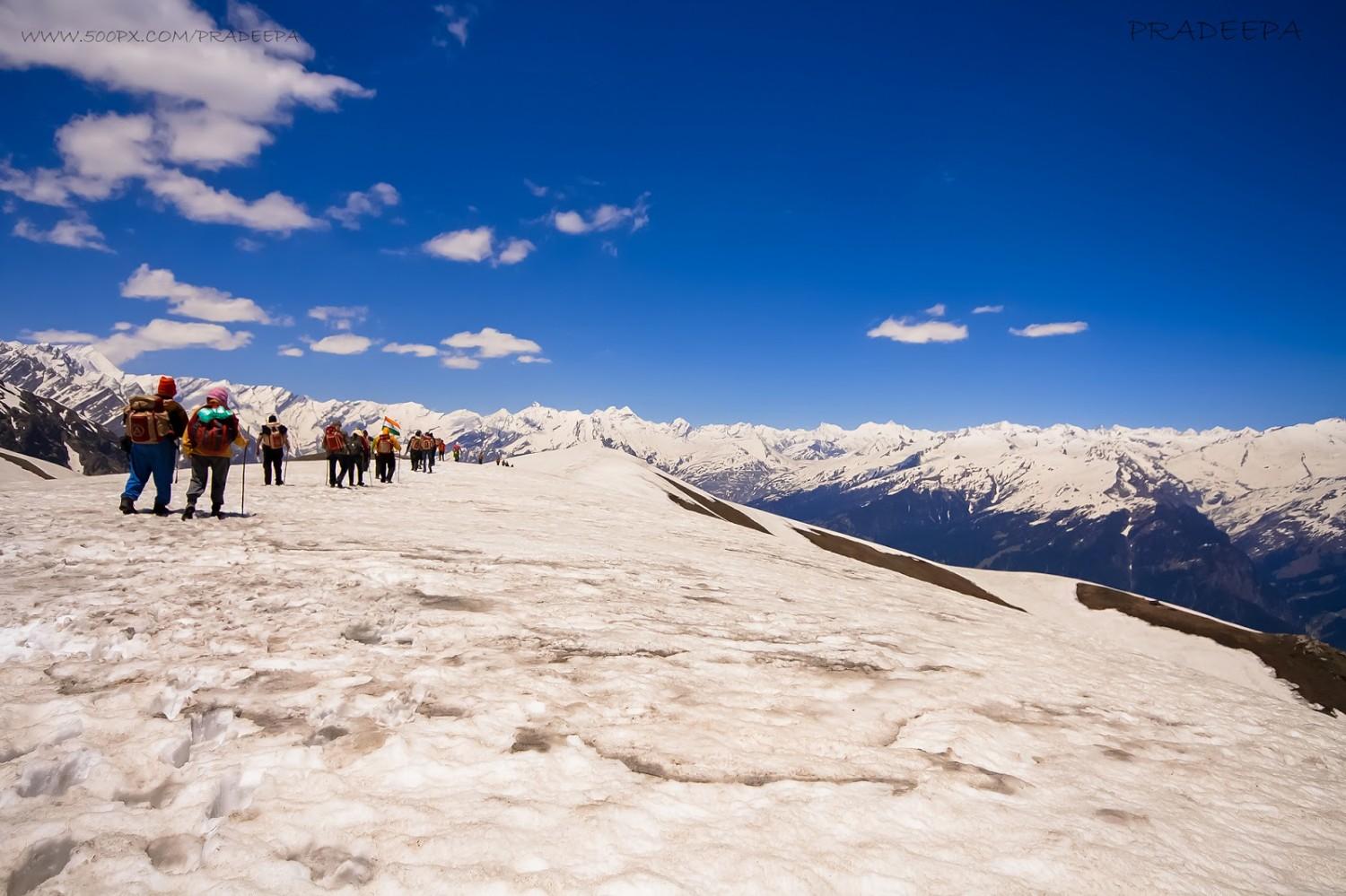
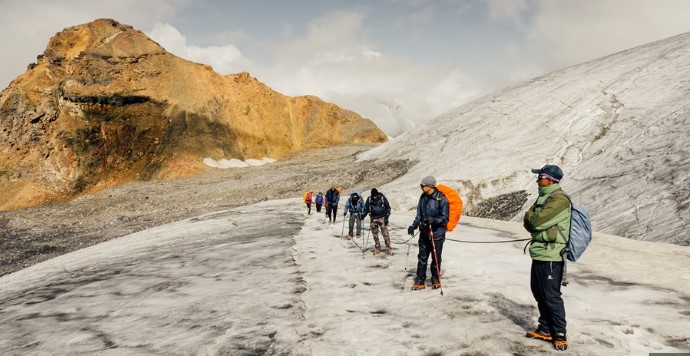
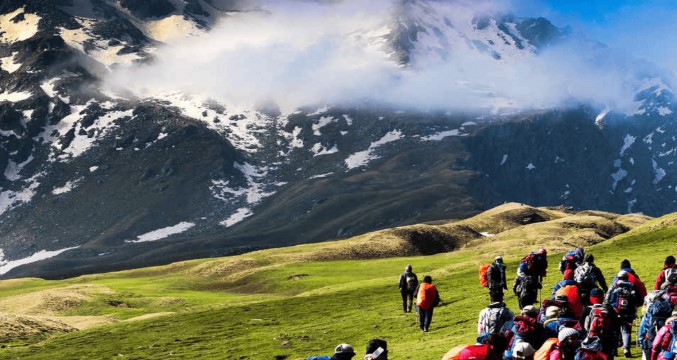
- Trek from Nagaru towards Sar Pass through snow sections, ridges, and high-altitude terrain.
- Reach Sar Pass and enjoy panoramic Himalayan views, subject to weather and safety conditions.
- Spend limited time at the pass for rest, photography, and group pictures.
- Start descending carefully towards Biskeri Thach.
- Reach Biskeri Thach by afternoon / evening, relax, have dinner, and stay overnight.
Trek Distance: Approx. 12–14 km
Trek Time: Approx. 7–9 hours
Route: Nagaru Camp → Sar Pass → Biskeri Thach
Main Highlight: Sar Pass crossing experience
Overnight Stay: Biskeri Thach Camp
- Wake up and have breakfast at Biskeri Thach Camp.
- Start the final descent towards Barshaini.
- Walk through forest trails, meadows, village paths, and scenic Parvati Valley surroundings.
- Reach Barshaini, the finishing point of the trek.
- From Barshaini, take a vehicle transfer towards Kasol, as per package plan.
- Tour closing, feedback, and final goodbye to the trekking team.
Trek Distance: Approx. 6–8 km
Trek Time: Approx. 4–5 hours
Drive Distance: Approx. 15–20 km
Route: Biskeri Thach → Barshaini → Drive to Kasol
Activities: Final descent, drive transfer, and tour closing
Drop Location: Barshaini / Kasol
Tour Ends With Sweet Memories
FAQ
The trek duration is 4 Nights / 5 Days as per this package itinerary.
Yes, Sar Pass Trek is suitable for beginners with good fitness. Guests should be comfortable walking for several hours on mountain trails.
The maximum altitude is approximately 13,800 ft at Sar Pass.
The trek starts from Kasol in Parvati Valley.
The trekking section ends at Barshaini, followed by a vehicle transfer to Kasol if included in the package.
The main route is Kasol – Grahan Village – Min Thach – Nagaru Camp – Sar Pass – Biskeri Thach – Barshaini – Kasol.
The main highlights are Grahan Village, forest trails, Min Thach, Nagaru Camp, Sar Pass crossing, snow sections, Biskeri Thach, and Parvati Valley views.
No, Sar Pass crossing depends on weather, snow condition, trail condition, group fitness, local permission, and trek leader’s safety decision.
A valid government ID proof is required. Additional documents may be required depending on permits, group type, or local requirements.
Electricity may not be available at higher campsites. Guests should carry a power bank and keep their devices charged.
Network may be available in Kasol and some lower areas, but it can be weak or unavailable during the trek.
Guests should carry trekking shoes, warm clothes, rain protection, water bottle, personal medicines, snacks, ID proof, power bank, and basic personal items.
Yes, itinerary may change due to weather, road conditions, trail conditions, snow conditions, permission issues, health concerns, or safety reasons.
Prior trekking experience is not compulsory, but good fitness and willingness to walk on mountain trails are required.
Network may be available in Kasol and some lower areas, but it can be weak or unavailable during the trek.
Guests should carry trekking shoes, warm clothes, rain protection, water bottle, personal medicines, snacks, ID proof, power bank, and basic personal items.
Yes, itinerary may change due to weather, road conditions, trail conditions, snow conditions, permission issues, health concerns, or safety reasons.
Prior trekking experience is not compulsory, but good fitness and willingness to walk on mountain trails are required.
Yes, Sar Pass Trek is suitable for school and college groups with proper guidance, good fitness, and safety arrangements.
Got a Question?
Our Destination expert will be happy to help you resolve your queries for this tour.

Term & Condition
Confirmation Policy
- Upon booking, the traveller will receive a confirmation voucher via email, within 24 hours.
- In the special cases of slots not being available, feasible alternatives will be provided to the customer, in regards to the customer’s preference. In such cases, a new voucher would be sent via email, consisting of the new travel details.
Refund Policy
- Any refund applicable will be processed within 7 business days.
Cancellation Policy
- Any cancellation made 25 days before the date of departure, would levy 15% of the total tour cost as cancellation charges.
- Any cancellation made within 15-25 days before the date of departure, would levy a 25% of total tour cost as cancellation charges.
- Any cancellation made within 7-15 days before the date of departure, would levy 50% of the total tour cost as cancellation charges.
- Any cancellation made within 0-7 days before the date of departure, would levy 100% of the total tour cost as cancellation charges.
- Due to any restrictions such as sudden government policies or regulations, health hazards, medical emergencies, or unprecedented weather conditions, activities and tours may be nonoperational and be canceled. In cases such as these, operators will attempt to cater to the traveler as an alternate, which is feasible in nature. However, any refund would not be catered.
Advisory
- Stay hydrated: Carry enough water and other fluids to stay hydrated throughout the yatra. It's important to drink water regularly, especially at higher altitudes.
- Check the weather: The weather conditions in the Kedarnath region can be unpredictable, so it's important to check the weather forecast before starting your journey. Avoid traveling during the monsoon season (July to September) when the region experiences heavy rainfall and landslides.
- Acclimatize properly: Kedarnath is located at an altitude of over 11,000 feet, so it's important to acclimatize properly. Spend a couple of days in nearby towns like Guptkashi, Gaurikund, or Sonprayag before starting the yatra.
- Pack wisely: Pack light and carry only the essentials. Make sure you have enough warm clothes, sturdy shoes, sunscreen, and a first-aid kit. You can also rent or buy trekking equipment from nearby towns.
- Follow the Yatra route: Stick to the designated Yatra route and avoid taking shortcuts. This helps preserve the fragile ecosystem of the region and minimizes the impact on the environment.
- Respect local customs: Kedarnath is a holy site for Hindus, and it's important to respect the local customs and traditions. Dress appropriately and seek permission before entering any religious sites.
- Hire a guide/porter: Hiring a guide or porter can make the Yatra easier and safer. They can provide valuable information about the Yatra route, carry your luggage, and help in case of an emergency.
- Be prepared for emergencies: The Kedarnath Yatra is remote, and medical facilities are limited. Carry a first-aid kit and any necessary medications. It's also a good idea to have a satellite phone or other communication device in case of an emergency.
- Leave no trace: Respect the environment and leave no trace behind. Carry all your trash and dispose of it properly at the end of the yatra.
You might also like...