Spiti Valley Circuit Tour with Manali | 8N/9D
Spiti Valley Circuit Tour with Manali | 8N/9D
₹17725
Overview
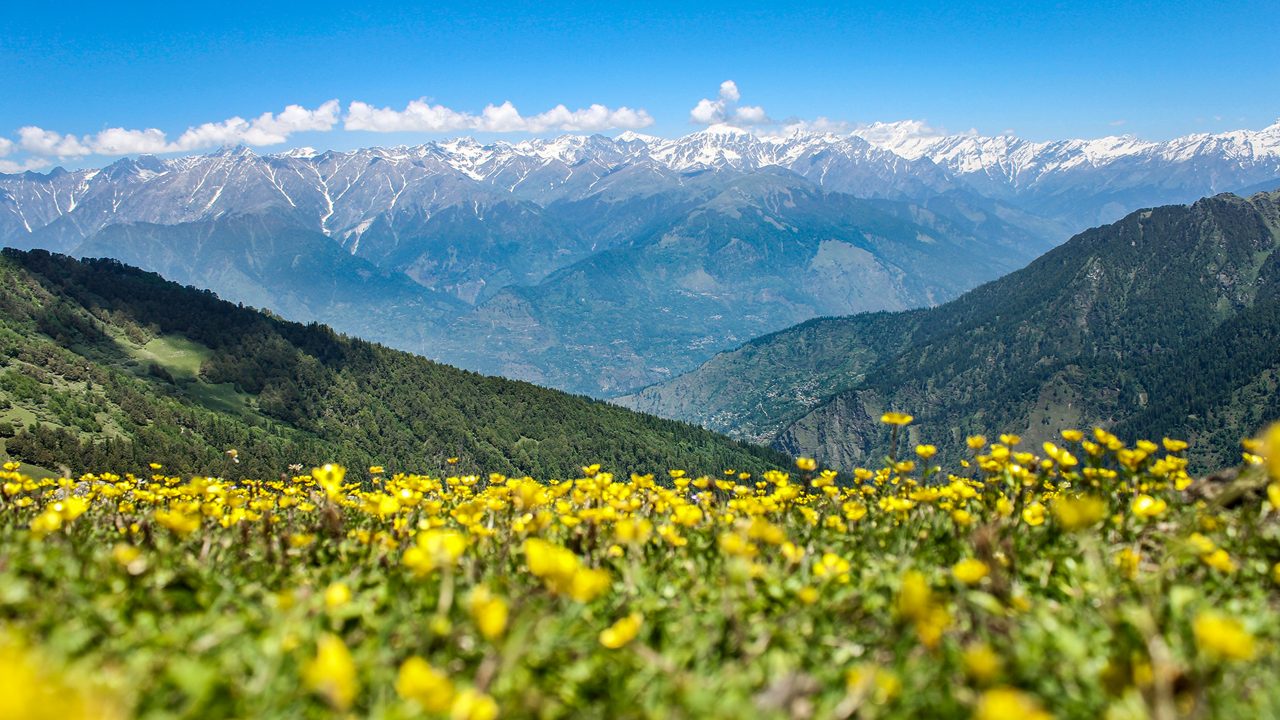
Experience the best of the Himalayas on this 8N/9D Spiti Valley Circuit starting from Chandigarh. Drive through Shimla and Kufri to Narkanda, then explore Sangla and the last Indian village, Chitkul, before reaching Kalpa with its breathtaking Kinnaur Kailash views. Continue via Nako and Gue to Tabo Monastery, then head to Dhankar, Pin Valley and Kaza, the heart of Spiti. Visit the famous high-altitude villages of Langza, Hikkim and Komik, along with Key Monastery, Kibber and the iconic Chicham Bridge. Spend a magical night camping beside Chandratal Lake, then cross Rohtang Pass to reach Manali for local sightseeing, before returning to Chandigarh with memories of a lifetime.
What's Inclusion
- Accommodation in a well-appointed hotel.
- Breakfast and dinner (as per package)
- Sightseeing as per itinerary
- All transfers and sightseeing by a comfortable AC cab.
- Driver charges, tolls, parking & fuel costs
- Welcome drinks (non-alcoholic) on arrival
- Welcome drinks (non-alcoholic) on arrival
- Airfare or train tickets
- Personal expenses (shopping, laundry, tips, extra meals)
- Entry fees to monuments & attractions
- Adventure activities (paragliding, rafting, skiing, etc.)
- Optional tours & excursions
- Early check-in or late check-out charges
- Anything not mentioned in inclusions
Itinerary
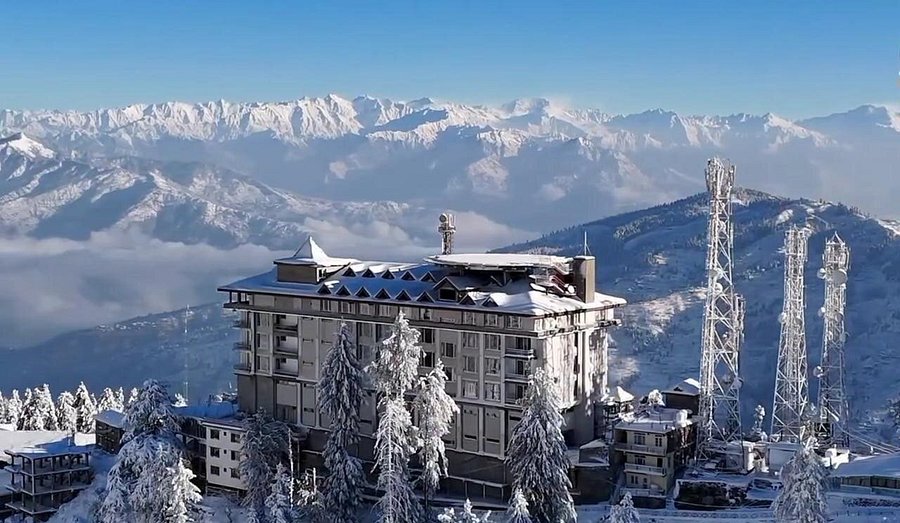
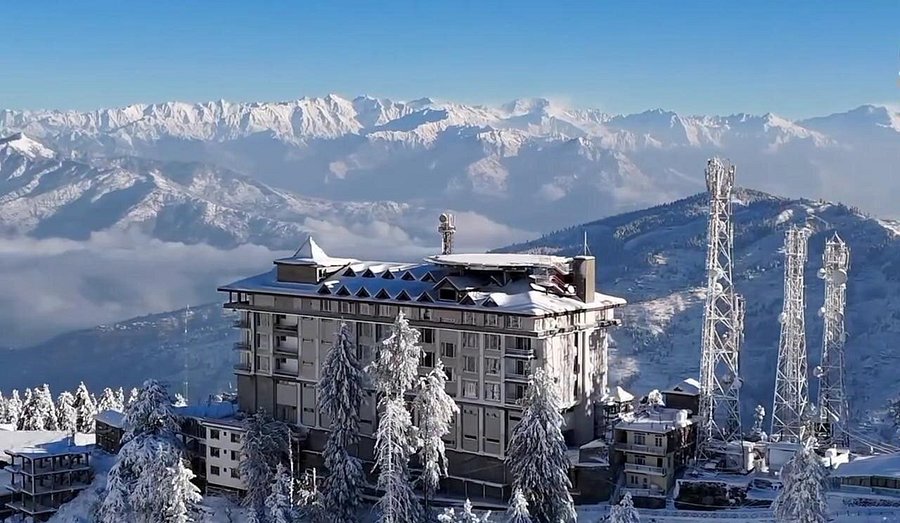
Upon arrival at Chandigarh Airport/Railway Station, meet your driver and begin the scenic drive towards Narkanda. Passing through the charming hill towns of Shimla, Kufri, Fagu and Theog, you will gradually ascend into the apple belt of Himachal. On reaching Narkanda, check into your hotel and spend the evening at leisure amidst serene landscapes. Overnight stay in Narkanda.
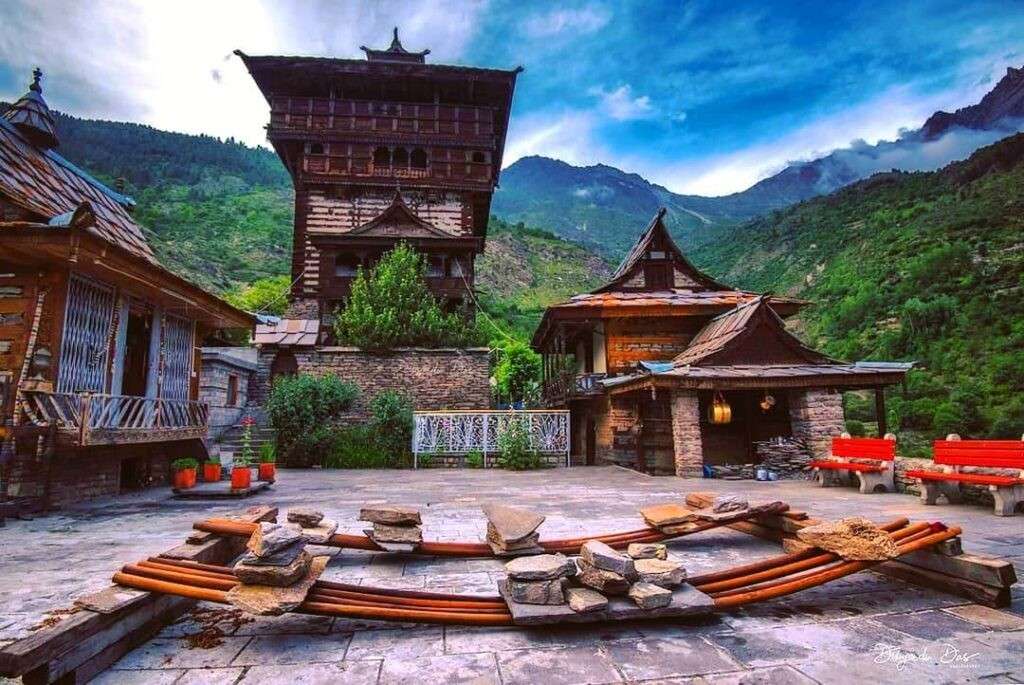
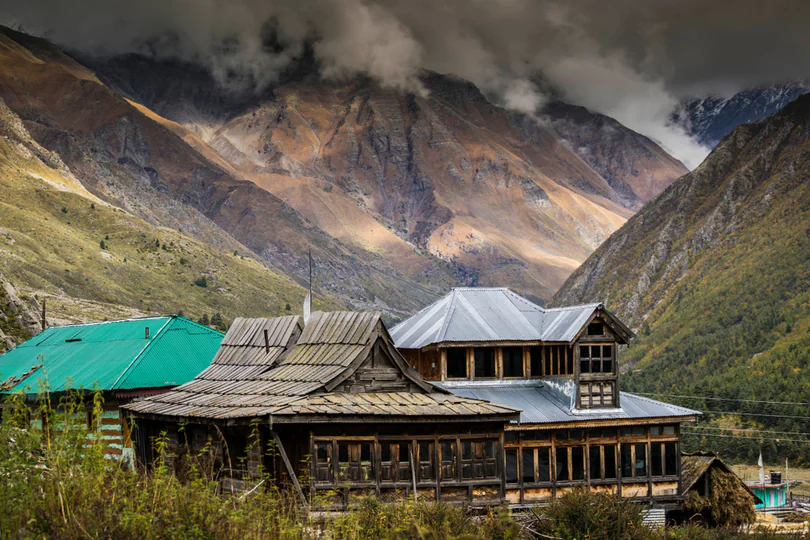
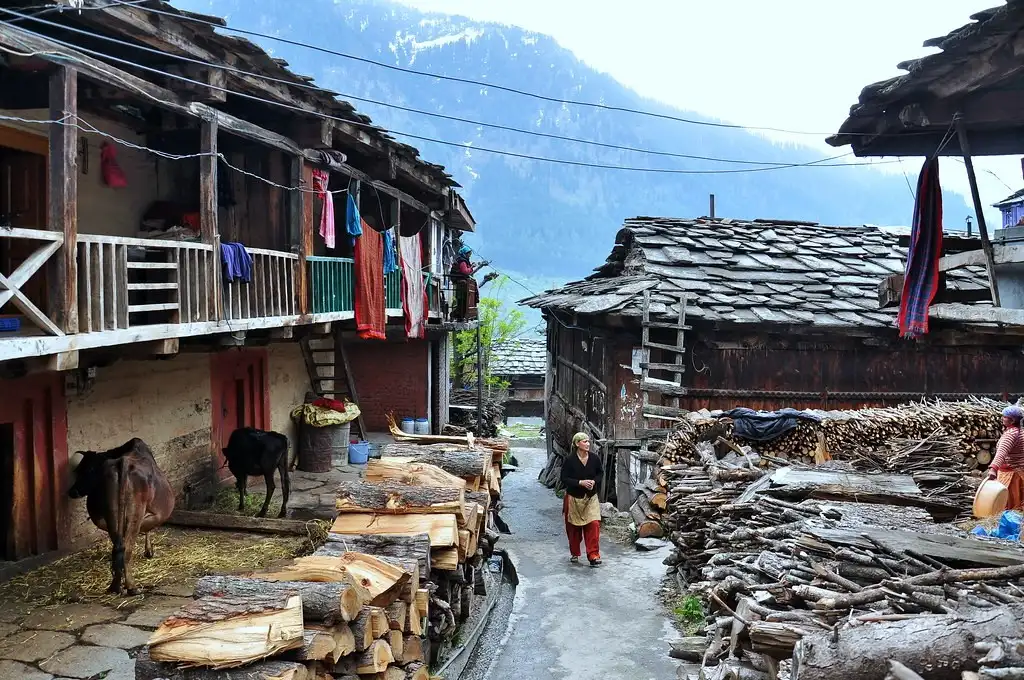
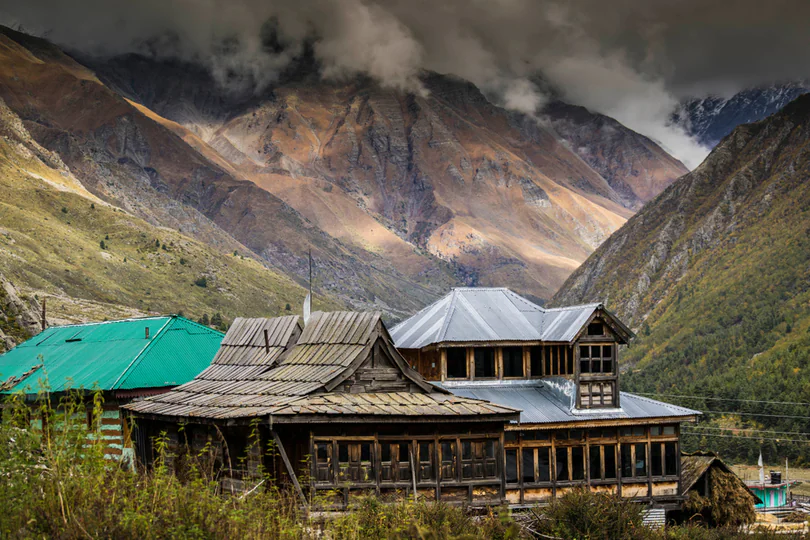
After breakfast, drive through winding mountain roads towards the stunning Sangla Valley. En route, pass Rampur and Karcham before heading to Chitkul – the last inhabited village near the Indo-Tibet border. Spend time by the Baspa River, admire the traditional wooden houses and enjoy a local meal at the famous “Hindustan ka Akhri Dhaba”. Later, check into your hotel or camp for an overnight stay in Sangla/Chitkul.
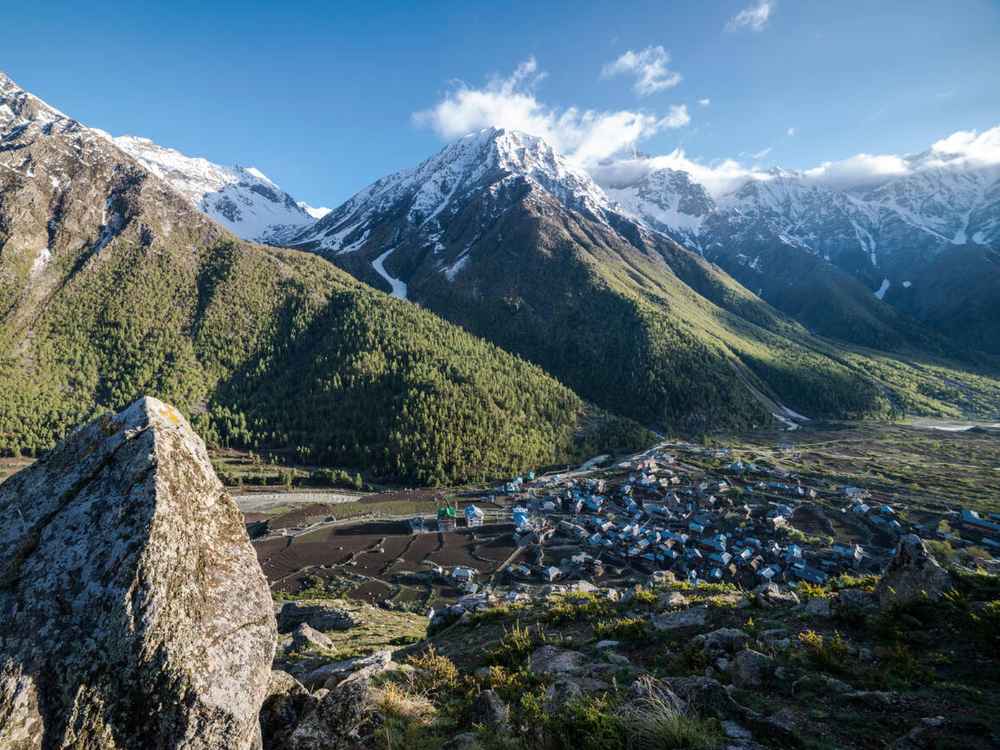
Post breakfast, begin your journey towards Kalpa, a beautiful hamlet overlooking the mighty Kinnaur Kailash range. On the way, stop at Recong Peo, the district headquarters of Kinnaur. By evening, reach Kalpa, check into your stay and soak in the breathtaking views of snow-clad peaks bathed in golden hues during sunset. Overnight stay in Kalpa.
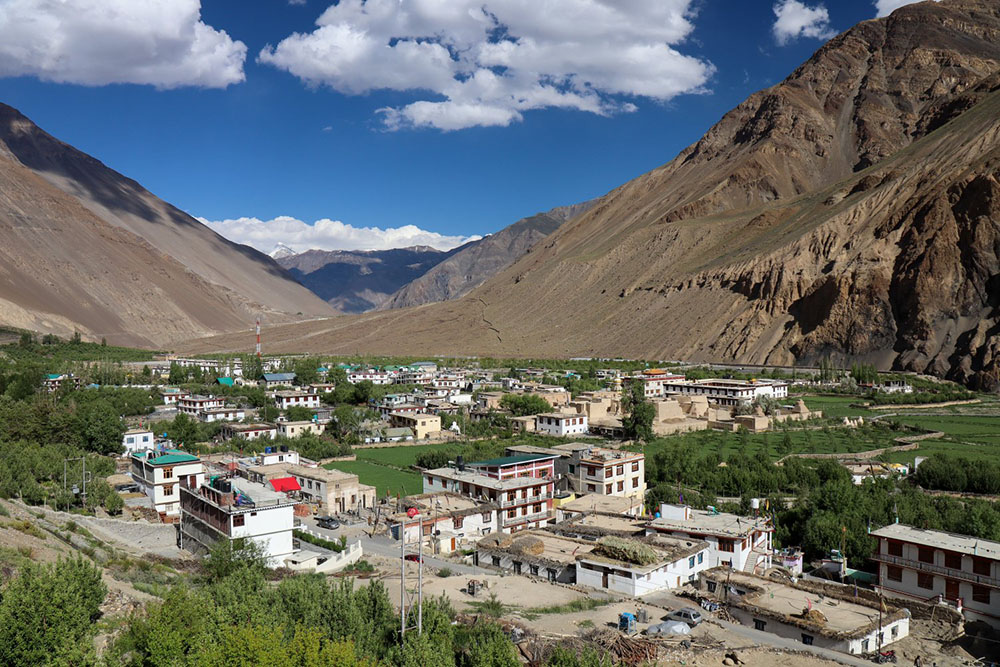
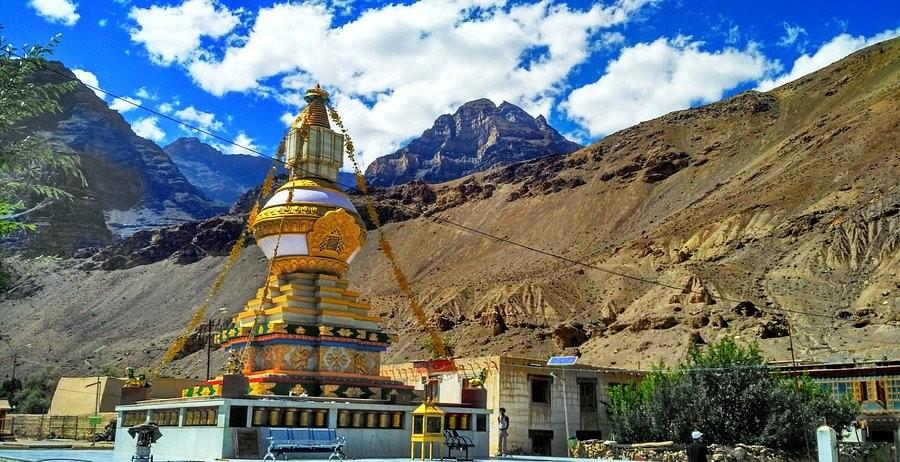
Today you will travel deeper into the Himalayas, leaving behind Kinnaur and entering the mesmerizing Spiti Valley. En route, visit the quaint village of Nako, famous for its lake and monastery. Continue towards Gue Village to see the 500-year-old naturally preserved mummy of a monk. By evening, arrive in Tabo – home to the ancient 10th-century Tabo Monastery, often referred to as the “Ajanta of the Himalayas”. Overnight stay in Tabo.
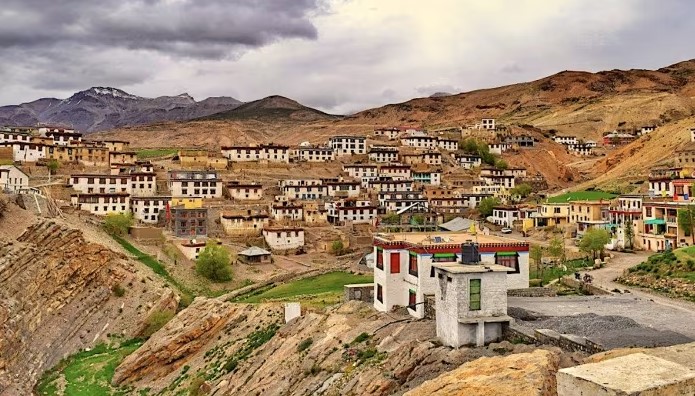
After breakfast, head towards Dhankar Monastery, perched dramatically on a cliff overlooking the confluence of the Spiti and Pin rivers. If time permits, you can also trek up to the beautiful Dhankar Lake. Later, drive through the pristine landscapes of Pin Valley National Park (subject to accessibility), famous for its wildlife and scenic beauty. By evening, arrive in Kaza, the administrative capital of Spiti, and check into your hotel. Overnight stay in Kaza.
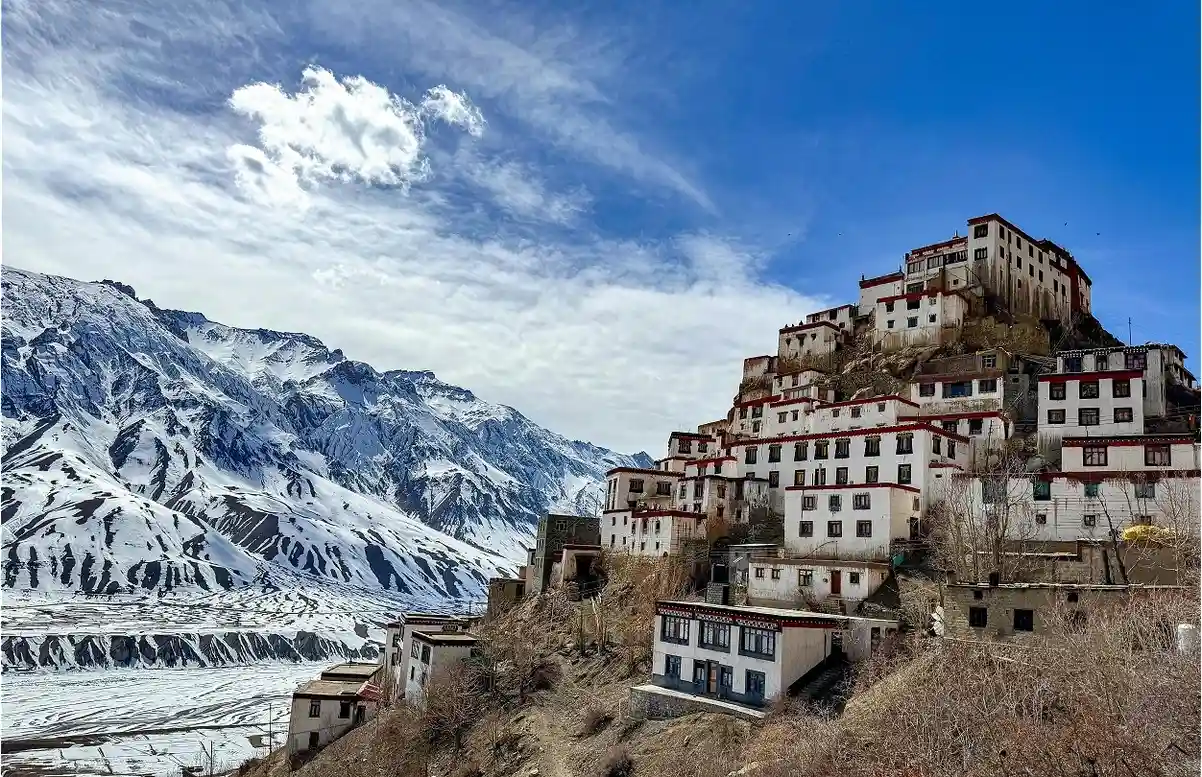
This day is dedicated to exploring the high-altitude villages around Kaza. Begin with Langza, known for its ancient fossils and a giant Buddha statue overlooking the valley. Continue to Hikkim, where you can visit the world’s highest post office and even mail a postcard home. Lastly, head to Komik, Asia’s highest motorable village. After a full day of adventure, return to Kaza for dinner and overnight stay.
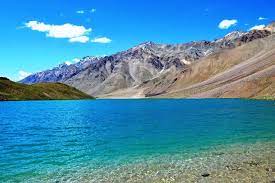
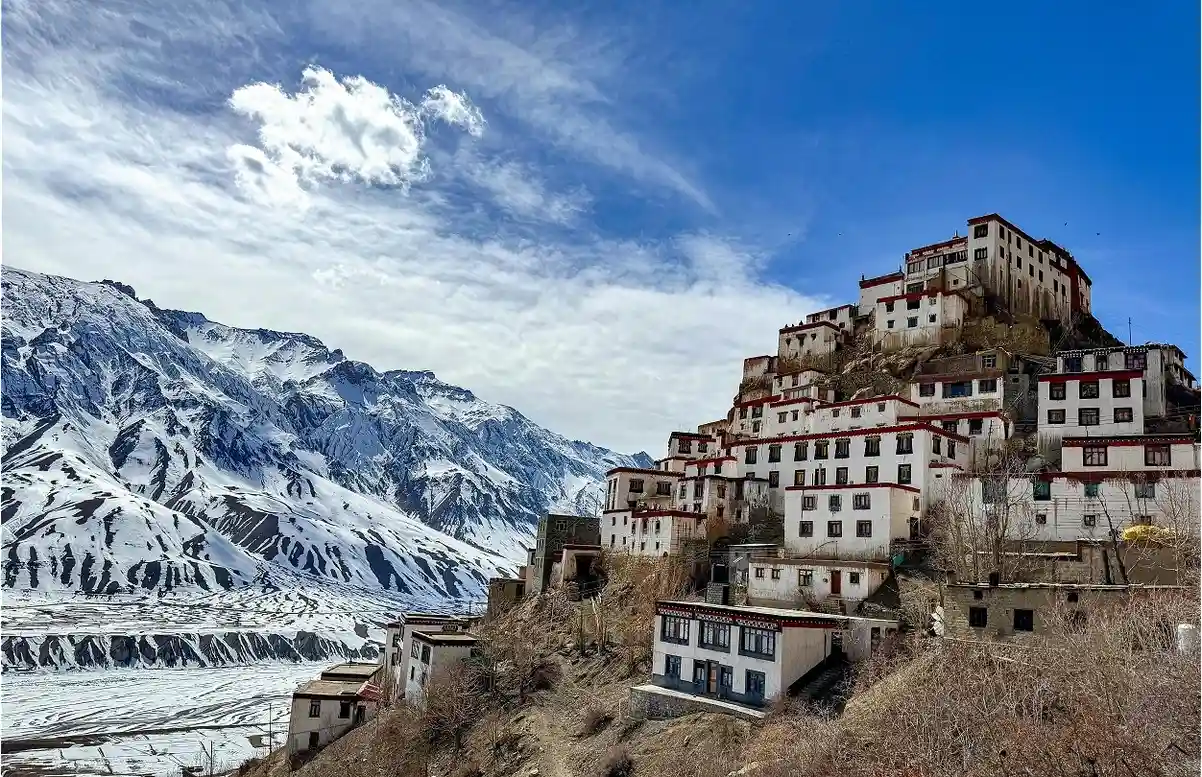
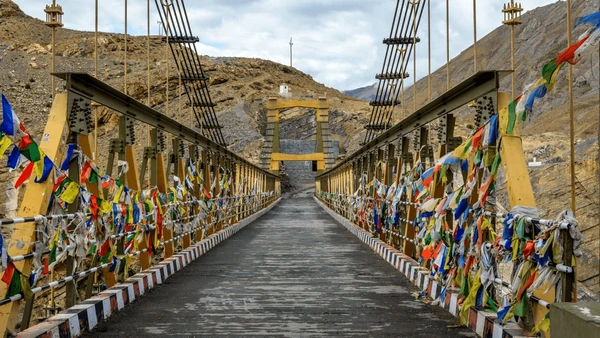
In the morning, visit the iconic Key Monastery, the largest in Spiti, known for its murals and spiritual aura. Proceed to Kibber Village, once the highest motorable village in the world, and cross the famous Chicham Bridge – Asia’s highest suspension bridge. Later, drive across Kunzum La Pass (4,551 m) and take the diversion towards the pristine Chandratal Lake. Spend the evening admiring the crescent-shaped lake before settling into your campsite for a unique overnight stay under the starlit sky.
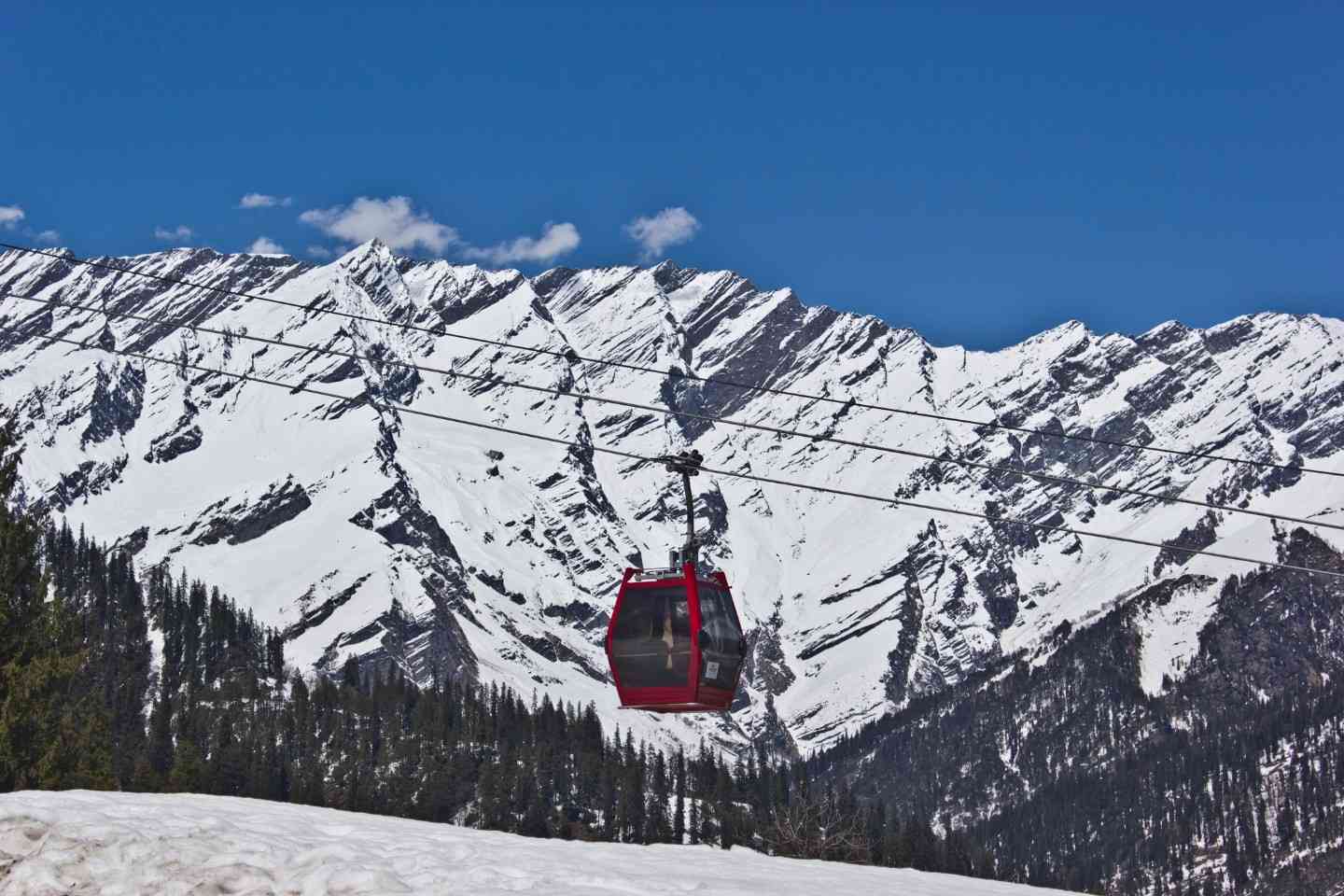
Wake up to a magical sunrise at Chandratal and after breakfast, drive towards Manali, passing through Batal, Gramphoo and the scenic Rohtang Pass. On arrival, check into your hotel and relax. In the evening, explore the local attractions of Manali including Hadimba Devi Temple, Manu Temple, Tibetan Monastery and the bustling Mall Road. Overnight stay in Manali.
&am
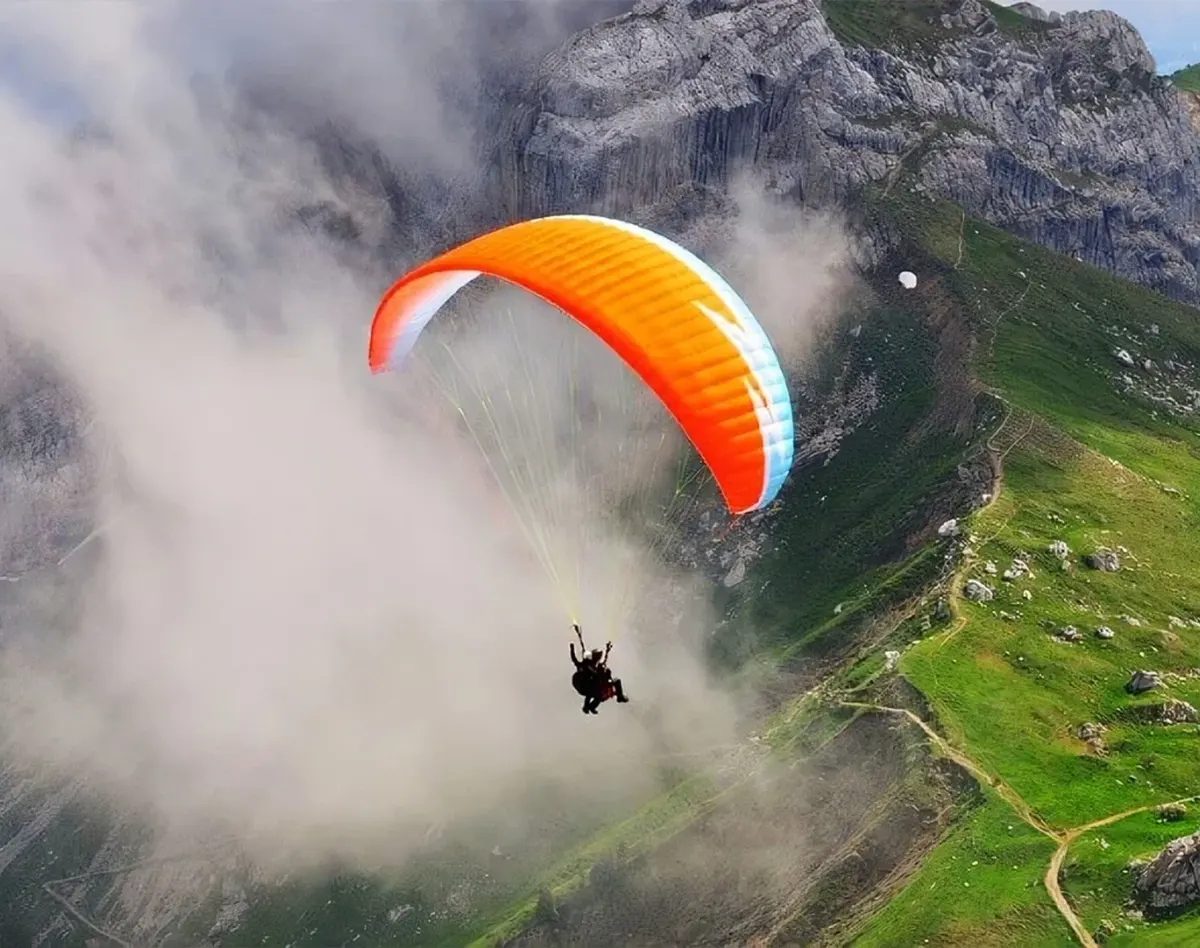
After breakfast, check out from your hotel and begin the return journey to Chandigarh. Drive past picturesque towns like Mandi, Sundernagar and Bilaspur. By evening, reach Chandigarh, marking the end of your memorable Spiti Valley expedition with a bag full of unforgettable experiences.
FAQ
The best time is from mid-May to mid-October, when the roads via Kunzum and Rohtang Pass are open.
You’ll stay in a mix of hotels, homestays, and camps (especially at Chandratal) with comfortable facilities.
Yes, but as Spiti is a high-altitude region, travelers should be prepared for long drives and thinner air.
The roads are scenic but rugged and adventurous, especially between Kaza and Manali. A skilled driver is provided
Connectivity is limited; only BSNL/ Jio works at few points, while Kaza has basic internet access.
Carry warm clothes, sturdy shoes, sunscreen, power bank, medicines, and ID proofs. Even in summer, nights can be cold.
For Indian nationals, no special permits are required, but foreign nationals need Inner Line Permits (which can be arranged).
Got a Question?
Our Destination expert will be happy to help you resolve your queries for this tour.

Term & Condition
Confirmation Policy
- Upon booking, the traveller will receive a confirmation voucher via email, within 24 hours.
- In the special cases of slots not being available, feasible alternatives will be provided to the customer, in regards to the customer’s preference. In such cases, a new voucher would be sent via email, consisting of the new travel details.
Refund Policy
- Any refund applicable will be processed within 7 business days.
Cancellation Policy
- Any cancellation made 25 days before the date of departure, would levy 15% of the total tour cost as cancellation charges.
- Any cancellation made within 15-25 days before the date of departure, would levy a 25% of total tour cost as cancellation charges.
- Any cancellation made within 7-15 days before the date of departure, would levy 50% of the total tour cost as cancellation charges.
- Any cancellation made within 0-7 days before the date of departure, would levy 100% of the total tour cost as cancellation charges.
- Due to any restrictions such as sudden government policies or regulations, health hazards, medical emergencies, or unprecedented weather conditions, activities and tours may be nonoperational and be canceled. In cases such as these, operators will attempt to cater to the traveler as an alternate, which is feasible in nature. However, any refund would not be catered.
Advisory
- Stay hydrated: Carry enough water and other fluids to stay hydrated throughout the yatra. It's important to drink water regularly, especially at higher altitudes.
- Check the weather: The weather conditions in the Kedarnath region can be unpredictable, so it's important to check the weather forecast before starting your journey. Avoid traveling during the monsoon season (July to September) when the region experiences heavy rainfall and landslides.
- Acclimatize properly: Kedarnath is located at an altitude of over 11,000 feet, so it's important to acclimatize properly. Spend a couple of days in nearby towns like Guptkashi, Gaurikund, or Sonprayag before starting the yatra.
- Pack wisely: Pack light and carry only the essentials. Make sure you have enough warm clothes, sturdy shoes, sunscreen, and a first-aid kit. You can also rent or buy trekking equipment from nearby towns.
- Follow the Yatra route: Stick to the designated Yatra route and avoid taking shortcuts. This helps preserve the fragile ecosystem of the region and minimizes the impact on the environment.
- Respect local customs: Kedarnath is a holy site for Hindus, and it's important to respect the local customs and traditions. Dress appropriately and seek permission before entering any religious sites.
- Hire a guide/porter: Hiring a guide or porter can make the Yatra easier and safer. They can provide valuable information about the Yatra route, carry your luggage, and help in case of an emergency.
- Be prepared for emergencies: The Kedarnath Yatra is remote, and medical facilities are limited. Carry a first-aid kit and any necessary medications. It's also a good idea to have a satellite phone or other communication device in case of an emergency.
- Leave no trace: Respect the environment and leave no trace behind. Carry all your trash and dispose of it properly at the end of the yatra.
You might also like...